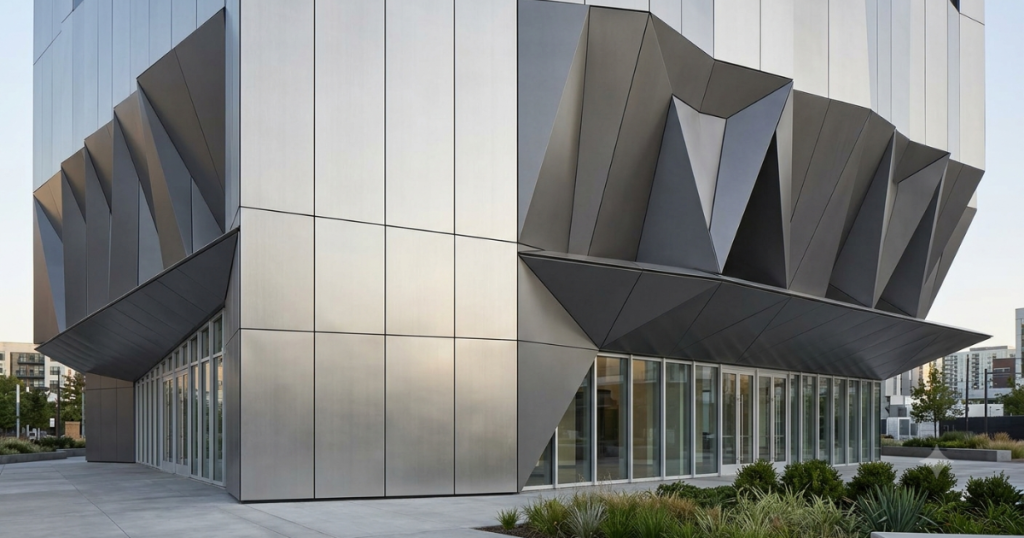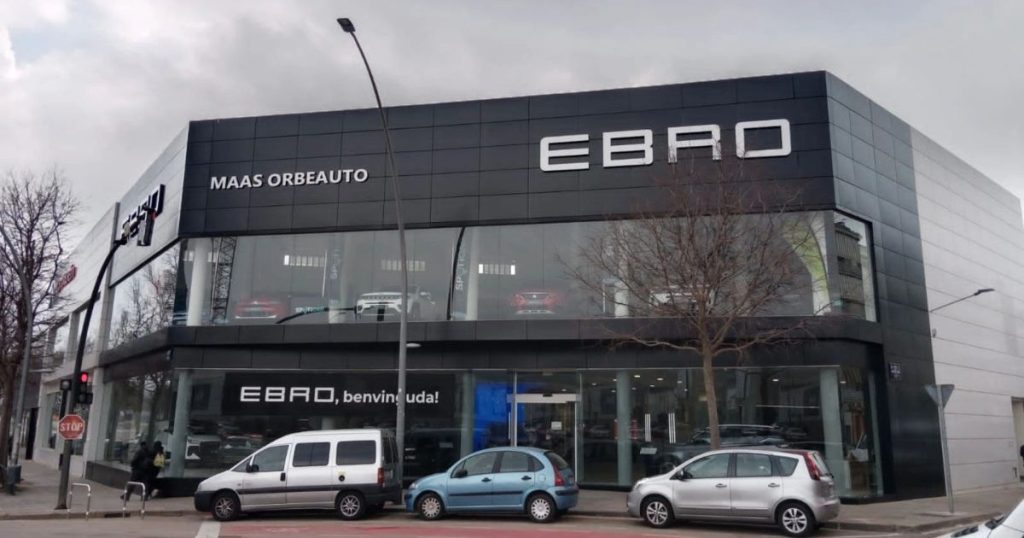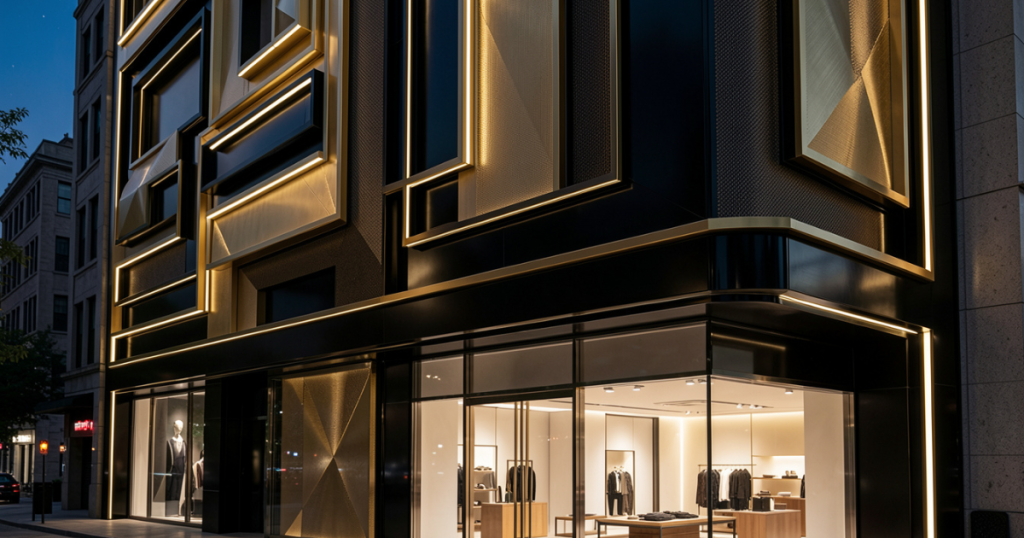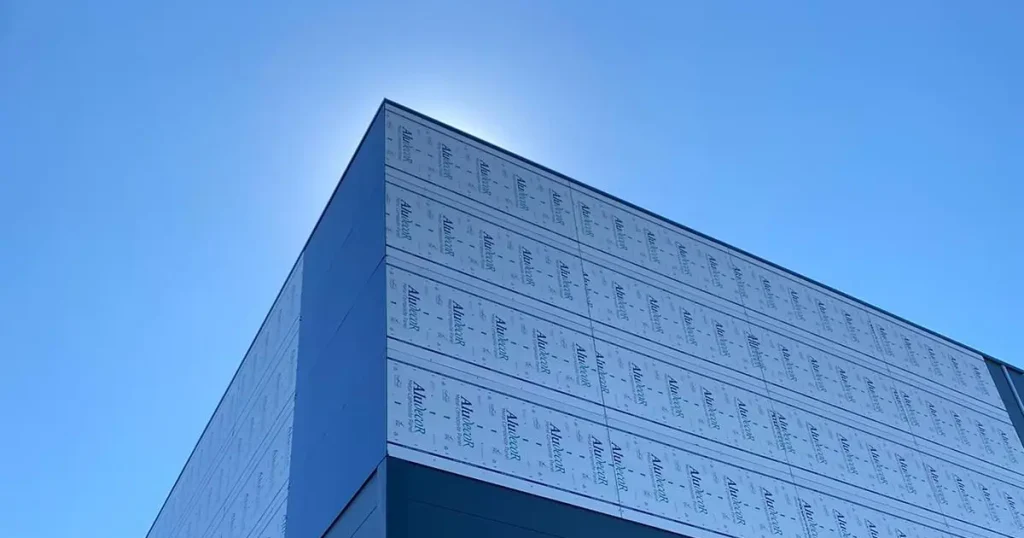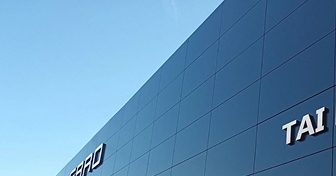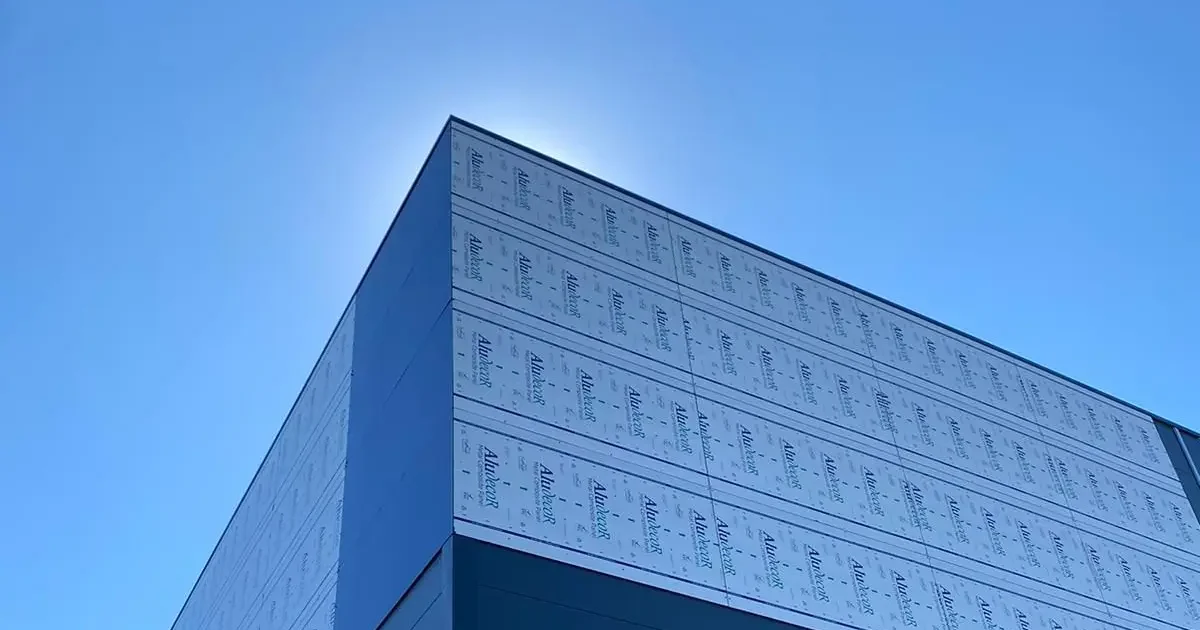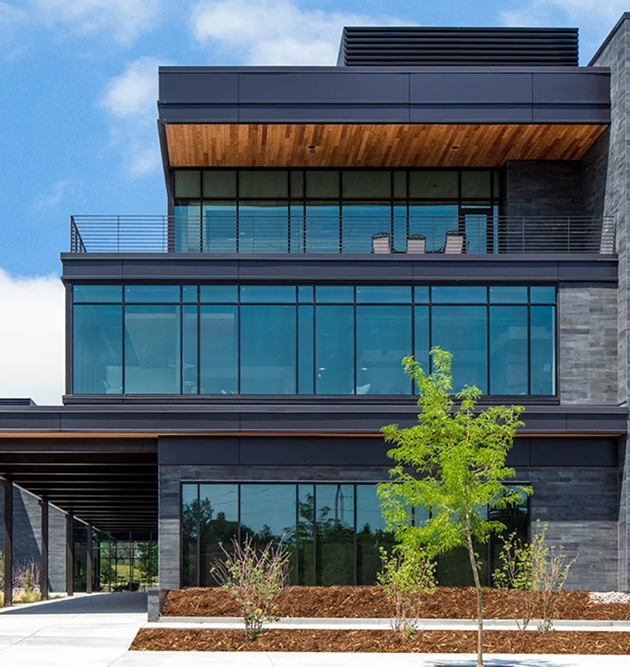
A facade may look visually impressive in design renders, but its long-term performance depends heavily on execution at the site level.
Even premium Aluminum Composite Material panels can fail when installation is not handled correctly. Weak subframes, poor sealing, incorrect fasteners, and inadequate expansion gaps often lead to water seepage, uneven surfaces, panel distortion, and premature maintenance issues.
That is why ACM panel installation should never be treated as a simple cladding activity. It is a coordinated process involving fabrication precision, structural planning, fixing systems, and weatherproof detailing.
At Aludecor, we have seen how properly executed ACM facades continue performing efficiently across commercial buildings, retail spaces, institutional projects, and signage applications. In most cases, long-term facade quality comes down to installation accuracy.
If you are looking to understand modern ACM cladding installation, this guide explains the most practical systems, methods, and best practices used in real-world projects.
What Are ACM Panels and Why Installation Quality Matters?
Aluminum Composite Material panels are lightweight engineered panels made of two aluminum sheets bonded to a non-aluminum core. Their durability, flexibility, and clean appearance make them one of the most widely used facade materials today.
ACM panels are commonly used for:
- Exterior facades
- Interior wall cladding
- Signage systems
- Canopies and soffits
- Transportation structures
At Aludecor, ACM panels are available in multiple finishes including metallic, timber, stone-inspired, rustic, and textured surfaces, along with fire-retardant options for code-compliant projects.
However, an ACM facade is not simply a decorative layer attached to a wall. It behaves as part of the building envelope system where thermal expansion, wind loads, moisture movement, and substrate tolerances directly affect performance.
Poor ACM panel installation can result in:
- Surface waviness
- Joint failures
- Water infiltration
- Panel warping
- Uneven alignment
Proper ACM panel installation improves facade durability, visual consistency, and long-term weather resistance.
Also Read : ACM Panel Thickness Guide: 3mm vs 4mm vs 6mm Compared
ACM Installation Is a Complete System
One of the biggest misconceptions in facade construction is assuming the panel alone determines quality.
In reality, successful ACM cladding installation depends on:
- ACM panels
- Supporting substructure
- Fixing and jointing systems
If one component fails, the entire facade performance can suffer.
For example:
- Weak framing may create vibration under wind pressure.
- Incorrect sealants may allow water ingress.
- Rigid fixings without movement allowance may create stress deformation.
At Aludecor, ACM systems are treated as engineered facade assemblies designed for long-term structural reliability and visual precision. Professional ACM panel installation also ensures better alignment and reduced maintenance concerns.
Types of ACM Installation Systems
Different projects require different installation approaches. There is no universal method suitable for every building type.
Rout and Return System
This is one of the most widely used methods in commercial facade projects.
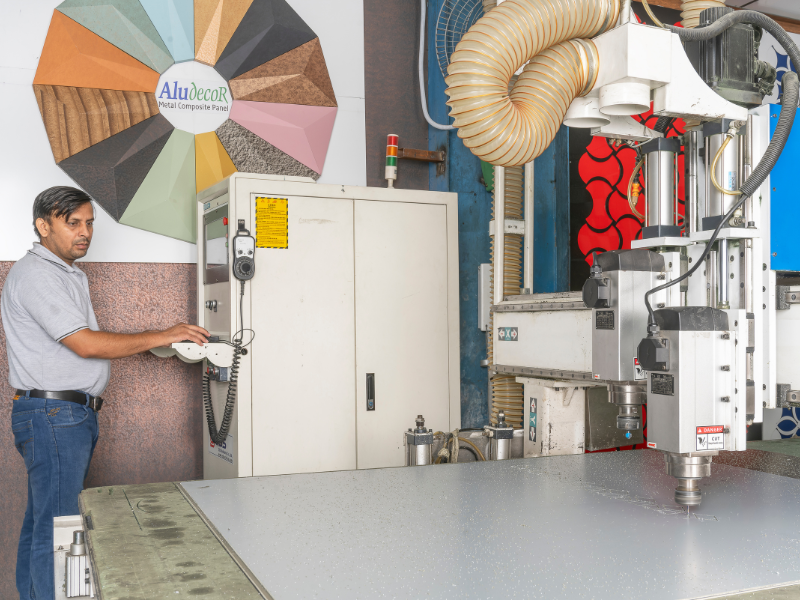
The rear side of the ACM panel is routed using CNC machinery so edges can fold into tray-like cassettes.
Advantages include:
- Concealed fixings
- Clean edges
- Improved rigidity
- Better aesthetics
When discussing how to install ACM panels, the rout-and-return method is often considered a professional standard.
Tray System
This system uses fabricated ACM trays mounted onto rails or brackets.
Benefits include:
- Better alignment control
- Faster replacement
- Improved rainscreen performance
Fabricators learning how to install ACM panels often prefer tray systems because they simplify large-format facade execution.
Wet Seal System
In this method, visible joints are sealed using silicone or weatherproof sealants.
It is commonly used for:
- Signage
- Interior applications
- Low-rise buildings
Sealant quality is extremely important because poor sealants deteriorate under UV exposure and temperature changes.
Dry Joint or Rainscreen System
Dry joint systems are considered one of the most advanced forms of ACM cladding installation.
These systems improve ventilation and moisture drainage behind panels.
Advantages include:
- Better thermal efficiency
- Reduced moisture build-up
- Improved weather resistance
Modern ACM cladding installation systems are increasingly shifting toward rainscreen principles for high-performance facades.
Pre-Installation Planning
Before installation begins, technical preparation is essential.
A professional ACM panel installation process starts with proper planning.
Substructure Selection
Subframes may use:
- Aluminum sections
- Galvanized steel
- Rail-and-bracket systems
Selection depends on building height, wind loads, panel size, and environmental exposure.
Site Measurements
Actual site verification is critical because construction tolerances often vary from architectural drawings.
Even minor dimensional variations can affect facade alignment.
Fabrication Readiness
Routing depth, CNC precision, and edge-folding accuracy directly influence installation quality.
Thermal Expansion Planning
Aluminum expands and contracts with temperature fluctuations.
Ignoring thermal movement is one of the leading causes of ACM cladding installation failure in exterior facade systems.
Step-by-Step ACM Installation Process
Many contractors search for how to install ACM panels, expecting a simple answer, but professional installation follows a carefully planned sequence.
Layout Marking
Laser alignment tools establish the facade grid and ensure uniform joint spacing.
Subframe Installation
Rails and brackets are fixed onto the substrate while checking:
- Vertical alignment
- Structural anchoring
- Load transfer capability
Contractors researching how to install ACM panels should always inspect framing accuracy before panel mounting begins.
Panel Mounting
Fabricated ACM trays are mounted using selected ACM panel fixing methods.
At this stage, installers inspect:
- Panel flatness
- Joint consistency
- Edge alignment
Joint Treatment
Depending on the system, joints may include:
- Open ventilated gaps
- Silicone sealants
- Gaskets
- Backer rods
Proper detailing improves water management performance.
Also Read : The Ultimate Guide to Choosing the Best ACM for Signage
ACM Panel Fixing Methods and Their Use Cases
Selecting right ACM panel fixing methods is essential because every project experiences different structural and environmental conditions.
Mechanical Fixing
Mechanical systems include rivets, screws, and concealed clips.
These ACM panel fixing methods are commonly used for:
- High-rise facades
- Wind-loaded elevations
- Industrial buildings
Adhesive Fixing
Structural adhesives create clean, fastener-free appearances and are suitable for:
- Interior applications
- Decorative facades
- Signage systems
Hanging or Cassette Systems
Cassette systems allow prefabricated trays to hook onto support rails.
Advantages include:
- Faster installation
- Easier replacement
- Cleaner aesthetics
Concealed tray systems remain one of the most preferred ACM panel fixing methods for premium architectural facades.
Expansion Joints, Sealing, and Weatherproofing
Weatherproof detailing plays a major role in facade performance.
Expansion joints allow ACM systems to accommodate thermal movement without stressing the panel surface.
Typical recommendations include:
- Flexible sealants
- Controlled joint widths
- Adequate perimeter gaps
- Ventilated rainscreen cavities
Improper sealing may lead to:
- Water infiltration
- Sealant cracking
- Surface staining
Sustainable construction projects increasingly rely on advanced ACM cladding installation systems because of their lightweight performance and recyclability.
Common Installation Mistakes to Avoid
Even experienced installers can make avoidable mistakes during ACM panel installation.
Common issues include:
- Incorrect routing depth
- Insufficient expansion gaps
- Uneven subframes
- Improper fastener selection
- Excessive sealant application
Training teams on how to install ACM panels properly can significantly improve facade quality and installation speed.
Post-Installation Checks and Maintenance
Completed facades should undergo final inspection before project handover.
Inspection typically includes:
- Joint consistency
- Sealant quality
- Fastener integrity
- Surface damage checks
Routine ACM maintenance is relatively simple and usually involves periodic cleaning using mild non-abrasive detergents.
At Aludecor, our ACM systems are engineered for UV durability, weather resistance, and long-term visual retention. Advanced ACM panel fixing methods also help improve maintenance accessibility and facade lifespan.
Choosing the Right Installation Method
There is no single installation method suitable for every project.
The ideal approach depends on:
- Budget
- Building height
- Climate conditions
- Design complexity
- Fire regulations
- Maintenance accessibility
At Aludecor, we work closely with architects, consultants, and fabricators to recommend practical ACM panel fixing methods aligned with project-specific requirements.
Efficient ACM panel installation also helps reduce long-term repair costs while improving overall facade performance.
Emerging Trends in ACM Installation
The facade industry continues evolving rapidly.
Modern ACM cladding installation systems are becoming faster, smarter, and more precise.
Prefabricated Modular Systems
Factory-assembled cassette units improve consistency and reduce site labor.
Faster Rail-Based Mounting Systems
Clip-based systems significantly reduce installation time.
BIM-Integrated Fabrication
Digital coordination minimizes fabrication errors and improves installation accuracy.
Efficient ACM panel installation workflows are helping contractors complete projects within tighter timelines while maintaining facade quality.
Key Installation Takeaways
Successful ACM panel installation combines engineering precision, fabrication quality, and disciplined site execution.
Long-term facade performance depends on:
- Proper substructure planning
- Correct fixing systems
- Expansion management
- Weatherproof detailing
- Skilled fabrication
At Aludecor, we believe great facades are achieved through intelligent planning and reliable installation systems.
When every component works together correctly, ACM facades deliver durability, efficiency, flexibility, and long-lasting visual appeal.
Call us at: +1713-341-7509 or visit https://aludecor.us/contact-us/ for more information.
FAQs
How are ACM panels installed?
ACM panels are installed using cassette systems, mechanical fastening, adhesive bonding, or rail-mounted hanging systems. The process includes measurements, subframe installation, panel mounting, alignment checks, and joint sealing. Proper detailing is essential for successful ACM panel installation.
What is the best method for ACM panel fixing?
The best method depends on project requirements. Mechanical systems are preferred for exterior facades exposed to wind loads, while cassette systems offer cleaner aesthetics and easier maintenance. Many commercial projects prefer concealed tray-based ACM panel fixing methods because they balance performance and appearance.
Are ACM panels easy to install?
Compared to traditional cladding materials, ACM panels are lightweight and relatively easy to fabricate and handle. However, professional expertise is still important. Understanding how to install ACM panels correctly helps prevent alignment issues, water leakage, and thermal movement problems.
Do ACM panels need expansion joints?
Yes, expansion joints are essential because aluminum expands and contracts with temperature changes. Properly designed joints improve weather resistance and extend the lifespan of the overall ACM cladding installation system.